



Blog
How Secure Are Locker Locks? The Essential Guide for Singapore Businesses

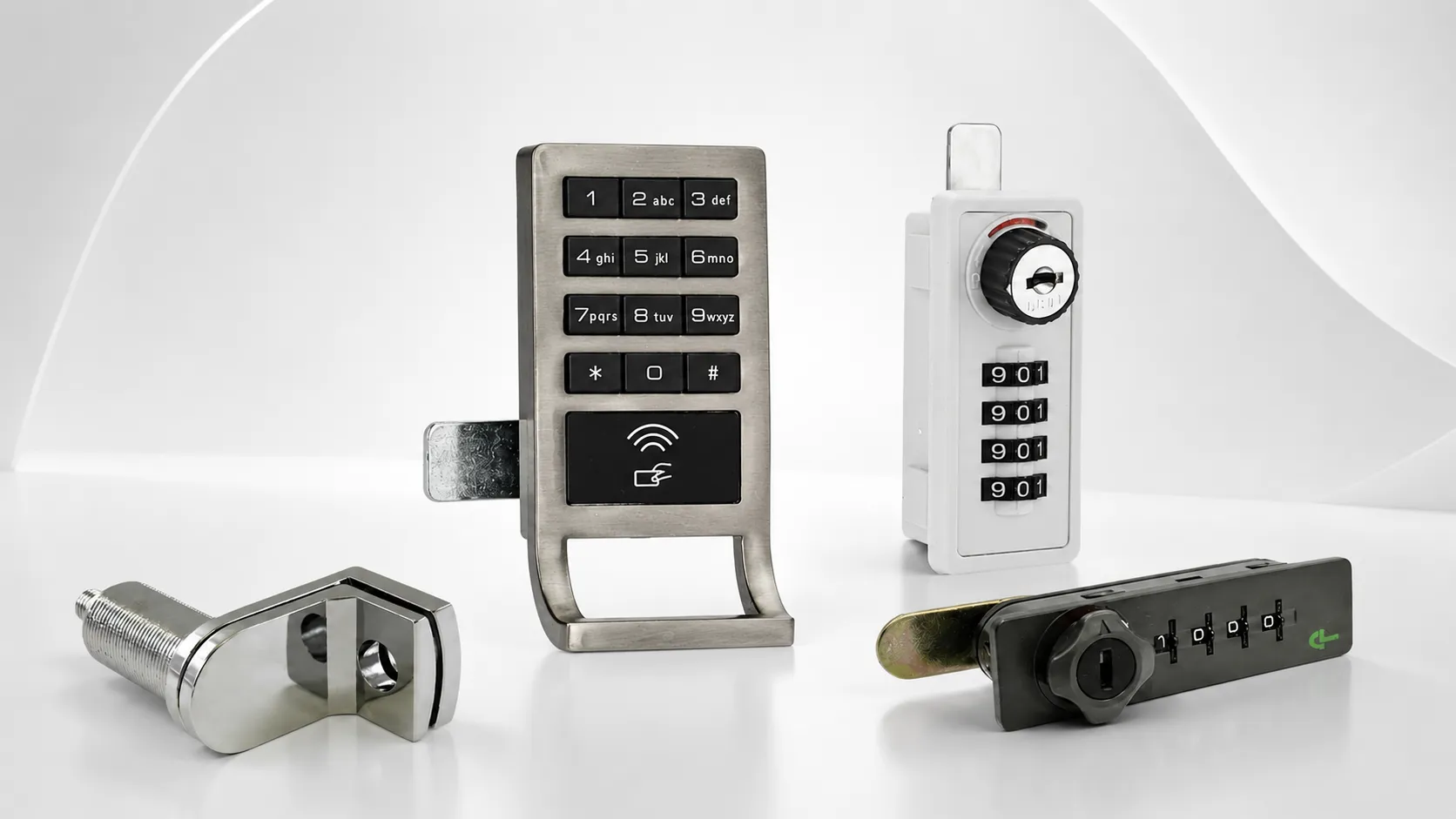
Table of Contents
Locker locks help keep stored items secure, but not every lock works the same way. For Singapore businesses, choosing the right locker lock matters in busy spaces such as gyms, offices, schools, warehouses, and staff areas. From key locks and combination to RFID locks and digital systems, each option has different strengths, maintenance needs, and security considerations. This guide explains the main lock types and how to choose one that fits your space, users, and daily operations.
How Locker Lock Security Actually Works
The Three Core Security Elements
Locker lock security usually depends on three key factors: how the lock controls access, how firmly it keeps the door closed, and how well it is built for daily use. Mechanical options, such as key locks, latch locks, and combination locks, offer simple and familiar access for everyday storage. Keyless number combination locks can reduce the need to manage physical keys, while RFID locks provide a convenient card-based option for selected locker and cabinet applications.
For businesses, the right choice depends on usage level, site conditions, user volume, and security needs. A good locker lock should be easy for authorised users to operate, durable enough for regular use, and practical for administrators to manage or replace when needed.
Why Location and Environment Matter
When choosing locker locks, businesses should consider the usage environment, user flow, and compatibility with the locker system. In dry indoor spaces such as offices, schools, staff rooms, factories, and warehouses, key locks, latch locks, padlock hasps, and combination locks can provide simple, reliable access for everyday storage.
In higher-traffic or moisture-prone areas such as gyms, swimming pools, changing rooms, waterparks, and leisure centres, locker locks should be easy to operate, simple to maintain, and suitable for frequent use. Singapore’s humid climate can also affect durability, especially where locks are exposed to moisture, cleaning, or heavy daily handling. Keyless number combination locks may help reduce physical key management, while RFID locks offer a convenient card-based option for selected locker and cabinet applications. The right choice should match the locker design, site conditions, user volume, and maintenance needs.
Breaking Down Security Levels: From Basic to Advanced
Basic Security: Padlocks and Simple Key Systems
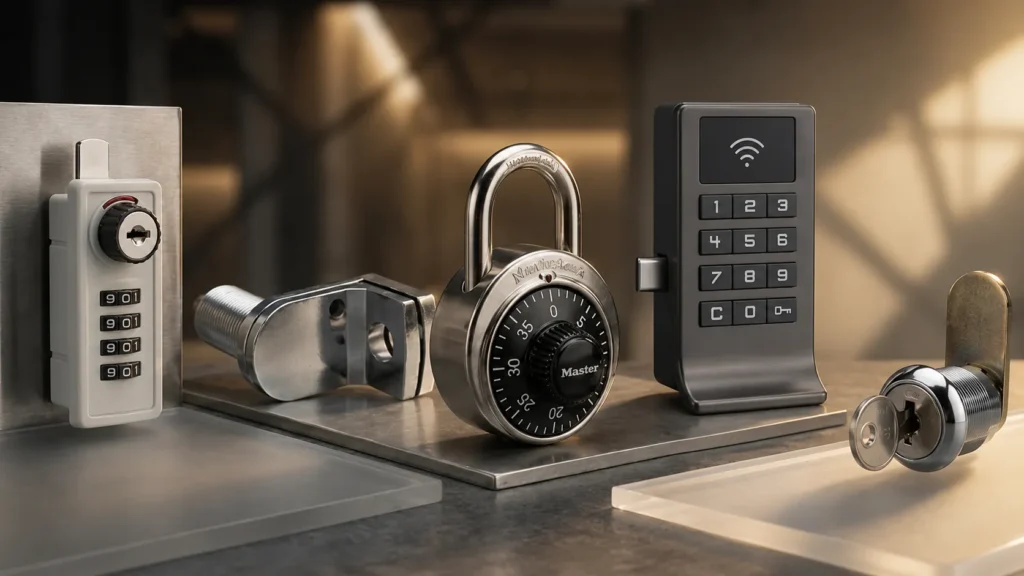
Basic locks are practical for everyday use in offices, schools, staff rooms, gyms, and warehouses. Avios offers options such as locker key locks, locker latch locks, Masterlock number combination padlocks, and keyless number combination locks. Key locks are simple and familiar, while latch locks allow users to secure lockers with a padlock. Combination locker locks can reduce the need to manage physical keys, but codes should be changed or reset when users change. For businesses, the best choice depends on locker compatibility, user volume, security needs, and how emergency access will be handled.
Mid-Level Security: Combination and Digital Keypads
Combination locker locks offer simple keyless access using a numeric code, reducing the need to issue, replace, or track physical keys. Avios offers number combination locks and keyless number combination locks, including a 4-digit keyless option with up to 10,000 possible code combinations and no battery maintenance. These locks are practical for offices, schools, gyms, staff rooms, and shared facilities where users need convenient daily access. However, codes should be reset when users change, and businesses should consider whether an admin override or emergency access process is needed.
High Security: RFID Locker Locks and Card Access
RFID locker locks provide a keyless access option for businesses that want a more convenient alternative to traditional key or combination locks. Avios offers an RFID Locker Lock & Cabinet Electronic Lock using RFID and MiFare technology, designed for lockers made from plastic, wood, or steel. These locks can be suitable for facilities such as gyms, fitness centres, waterparks, train stations, airports, and shopping centres. Before choosing RFID locks, businesses should consider locker compatibility, battery maintenance, user flow, and whether card management features are required.
Real Security Risks: What Actually Causes Lock Failures
Most locker lock issues come from daily use, wear, and site conditions. Key risks include:
- User Error: Forced keys, rough handling, or unchanged combination dials can cause lockouts or reduce security.
- Mechanical Wear: Frequent use can lead to worn keys, loose parts, jammed cylinders, or stiff locks.
- Electronic Lock Maintenance: RFID locks may require battery checks, access control, and emergency access planning.
- Humidity and Moisture: Singapore’s humid climate can increase corrosion or wear, especially in gyms, changing rooms, and semi-outdoor areas.
Matching Lock Security to Your Singapore Business Needs
Different businesses need different locker lock setups. Consider user flow, security needs, and how often lockers are reassigned.
- Gyms, Fitness Centres and Waterparks: Keyless number combination locks or RFID locks can support convenient access in busy, shared-use spaces.
- Offices, Schools and Staff Rooms: Key locks, latch locks, or combination padlocks are practical for simple, everyday storage.
- Retail, F&B and Warehouses: Choose locks that are easy to manage, replace, and reset when staff or users change.
- Shared or Visitor Spaces: Combination locks and RFID locks can support temporary or card-based access without relying only on physical keys.
Why Choose Avios for Locker Locks in Singapore?
Choosing the right locker lock is easier when you have options that match your locker type, site conditions, and daily usage. Avios supplies a practical range of locker locks and accessories in Singapore, including key locks, latch locks, number combination locks, keyless number combination locks, and RFID locks. These options are designed for different locker and cabinet applications, including ABS plastic lockers, metal steel lockers, and custom lockers.
Whether you need a simple replacement key lock, a padlockable latch lock, a keyless combination lock, or an RFID lock for card-based access, Avios can recommend a suitable option based on how your space is used. This makes it a practical choice for offices, schools, gyms, staff rooms, warehouses, leisure facilities, and shared storage areas.
Conclusion
The right locker lock should match your locker type, usage environment, user flow, and maintenance needs. Key locks, latch locks, and combination locks are practical for everyday storage, while keyless number combination locks and RFID locks can support shared or higher-traffic spaces. For Singapore businesses, choosing the right option helps improve storage security, reduce lock issues, and keep daily operations easier to manage.
FAQs
What happens if the battery dies on an RFID locker lock?
Some electronic locker locks use batteries, so regular battery checks are important. Avios describes its RFID locker lock as having long battery life, but emergency access methods should be confirmed before installation. Mechanical combination locks are battery-free.
Does Avios offer fingerprint locker locks?
Avios does not clearly list fingerprint or facial recognition locker locks on its locker locks page. Its listed options include key locks, latch locks, number combination locks, keyless number combination locks, and RFID locker locks.
How does Singapore’s humid climate affect locker locks?
Humidity and moisture can increase wear or corrosion risk, especially in wet or high-traffic areas. For Singapore facilities such as gyms, waterparks, and changing rooms, choose locker locks based on site conditions, user volume, and maintenance needs.
Are RFID locker locks more secure than key locks?
RFID locker locks offer convenient card-based access, while key locks and combination locks remain practical for everyday storage. The better choice depends on the locker type, access needs, maintenance, and how the facility manages users.
Do locker locks require door replacement for installation?
Not always. Many locker locks are selected based on locker material and compatibility. Avios’ RFID locker lock is designed for lockers made from plastic, wood, or steel, but installation requirements should be checked before purchase.
