



Blog
Lockers 101: Choosing the Right Material for Your Needs

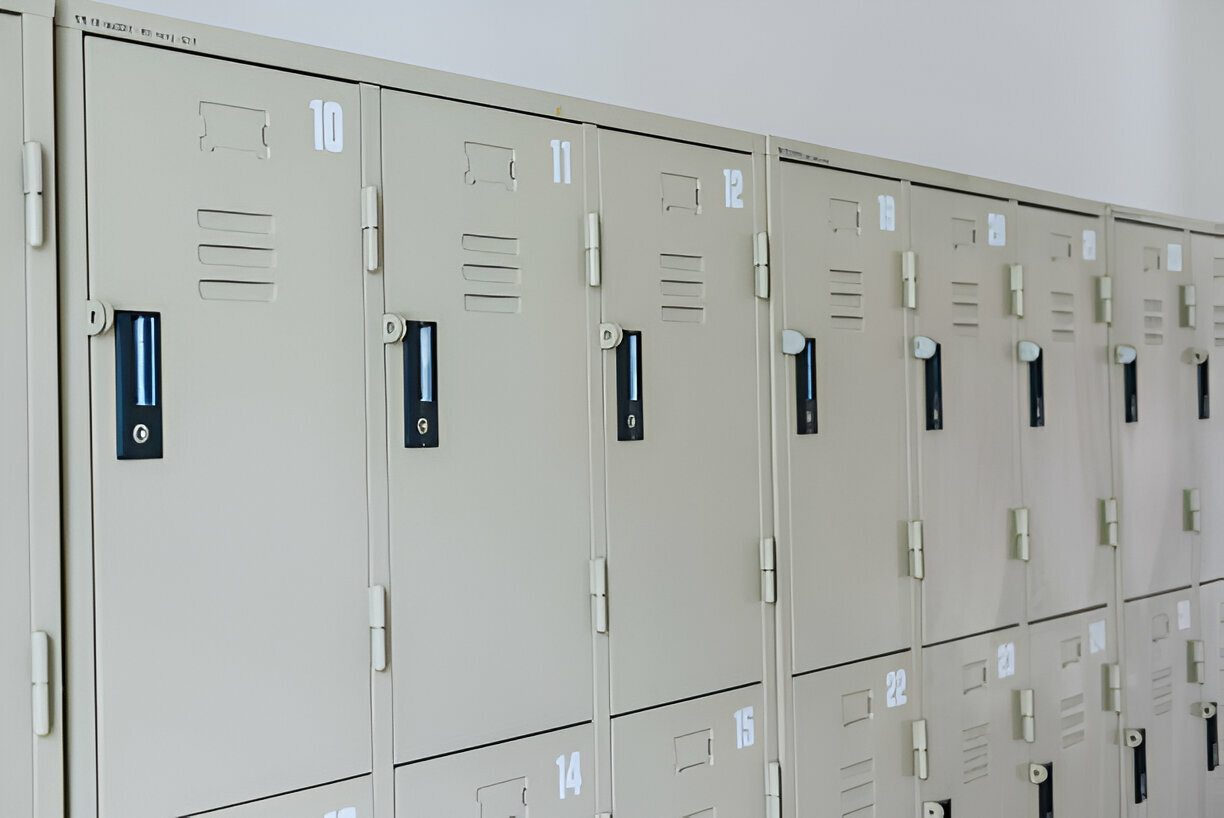
Choosing the right material for your lockers is a crucial decision that will determine the success of your storage solution in the long run. The material you choose will have a direct effect on:
- Durability – how well it can withstand daily use
- Functionality – whether it meets the specific needs of your environment
- Maintenance requirements – how easy it is to clean and repair
- Cost-effectiveness – the initial cost compared to its value over time
At Avios, we understand these important factors from our years of experience providing top-quality locker solutions. We know that different environments have different requirements when it comes to materials in order to perform at their best.
The ideal locker material strikes a balance between durability, cost, and practical needs. For example, schools may need materials that are tough enough to handle constant use, while spa facilities require materials that can resist moisture and humidity.
In this detailed guide, we will explore various types of locker materials such as traditional metal and modern ABS plastic. We will examine their strengths, weaknesses, and best uses so you can make an informed decision that fits your specific needs.
Understanding Different Locker Materials
Choosing the right locker materials is crucial for creating functional and long-lasting storage solutions. Each material has its own qualities that make it suitable for specific environments and uses.
Metal Lockers
Metal lockers, made from cold-rolled steel, are a popular choice in busy places. These sturdy storage units are ideal for:
- Durability: The solid steel construction can handle daily use
- Customisation Options: Available in various colours, sizes, and configurations
- Cost-effectiveness: Competitive pricing for large-scale installations
The practicality of metal lockers makes them a natural fit for:
- School corridors and changing rooms
- Sports facilities and gymnasiums
- Industrial workplaces
- Military installations
While metal lockers have many benefits, users should keep a few maintenance aspects in mind:
- Regularly check for rust formation
- Promptly repair any dents or scratches
- Periodically repaint to maintain appearance
- Apply protective coatings in humid environments
These considerations help create a balance between functionality and user experience. The versatility of metal lockers continues to make them a popular choice across various sectors, especially where durability is important.
When looking for metal filing cabinets or extra tall swing door cupboards, it’s essential to consider specific facility requirements, user needs, and environmental factors to ensure the most suitable metal locker solution.
2. Phenolic Lockers
Phenolic lockers are a popular choice in commercial settings due to their strong construction and long-lasting durability. These storage solutions are made with solid phenolic resin panels, which create a surface that is resistant to:
- Impact damage
- Chemical exposure
- Moisture penetration
- Bacterial growth
- Graffiti attempts
The solid-grade laminate construction of these lockers provides excellent strength while keeping them lightweight, making them suitable for various environments.
Maintenance Considerations
One of the advantages of phenolic lockers is that they require very little maintenance. A simple wipe-down with standard cleaning products is usually enough to keep them looking clean and new. However, it is important to ensure proper ventilation in humid conditions to prevent any potential mould growth.
Cost Analysis
While phenolic lockers may have a higher initial cost compared to regular metal lockers, they offer long-term value. This is because they have a longer lifespan, require less maintenance, are more resistant to wear and tear, and maintain their appearance over time.
To enhance the security of these lockers, incorporating advanced locking mechanisms such as the Booil mechanical combination lock or the Booil electronic lock can be beneficial. These locks not only provide robust security but also add an extra layer of convenience for users. For smaller locker units, the Booil electronic lock small or mechanical combination lock medium could be utilized effectively.
3. Laminate Lockers
Laminate lockers are a cost-effective storage option with flexible design choices. These lockers have a core made of particleboard or MDF, which is covered with decorative laminate sheets. This construction creates an appealing finish at a much lower price compared to solid wood or metal alternatives.
Key Benefits:
- Wide range of colours and patterns
- Resistant to daily wear and scratches
- Easy to clean with standard cleaning products
- Lightweight construction for simple installation
Maintenance Considerations:
- Regular inspection of edges and corners for signs of peeling
- Immediate attention to any moisture exposure
- Careful handling to prevent impact damage
- Professional repairs needed for delamination issues
While repair costs might accumulate over time, proper care and preventive maintenance can extend the lifespan of laminate lockers considerably. The initial cost savings make them particularly attractive for organisations with strict budget constraints.
5. ABS Plastic Lockers
ABS plastic lockers are a game-changer in locker technology, made from Acrylonitrile butadiene styrene (ABS), this is a thermoplastic polymer that’s used in many products, including LEGO bricks, computer keyboards, and automotive parts. These tough storage solutions perform exceptionally well in demanding environments:
Key Features:
- Impact-resistant construction withstands heavy daily use
- Non-porous surface prevents bacteria growth
- UV-stabilised material maintains colour vibrancy
- Graffiti-resistant exterior
- Zero rust or corrosion risk
- Water-resistant properties
The durability of ABS Plastic lockers makes them a top choice for:
- Swimming pools
- Sports centres
- Leisure facilities
- Outdoor installations
- Educational institutions
These lockers excel in high-humidity areas where traditional materials may deteriorate. Their solid colour construction means scratches are almost invisible, keeping them looking good throughout their lifespan.
HDPE lockers show better resistance to impacts, dents, and scratches compared to traditional metal options. Their non-porous surface prevents moisture absorption, eliminating worries about warping or delamination that can happen with other materials.
For those looking for an alternative that combines durability and style, consider checking out 5-tier ABS plastic lockers. These lockers offer similar benefits with a unique aesthetic appeal.
6. Powder Coated Steel Lockers
Powder-coated steel lockers blend practicality with cost-effectiveness, making them an attractive choice for various settings. These lockers undergo a specialised coating process that creates a protective layer, enhancing their resistance to:
- Scratches
- Chips
- Daily wear and tear
The lightweight nature of powder-coated steel lockers simplifies installation and relocation processes, reducing labour costs and time investment. Their design allows for quick assembly and disassembly when needed.
These lockers perform exceptionally well in:
- Office environments
- Educational facilities
- Retail staff rooms
- Light industrial settings
The powder coating process offers diverse colour options, enabling seamless integration with existing décor schemes. While these lockers might not match the durability of stainless steel or HDPE options, they provide reliable service in moderate-use environments.
For instance, 4 Tiers Metal Steel Lockers are constructed from steel sheet metal and finished with a grey powder coat. These lockers are designed for heavy duty use and storage, making them perfect for gyms, schools, or employee changing rooms where space is limited.
7. Stainless Steel Lockers
Stainless steel lockers are the most durable option available when it comes to locker construction. These top-of-the-line storage solutions offer:
- Superior Corrosion Resistance: The alloy used in stainless steel contains chromium, which forms a protective layer against rust and chemical damage.
- Impact Resistance: The high tensile strength of stainless steel prevents dents and structural damage from everyday use.
- Hygienic Properties: The non-porous surface of stainless steel inhibits the growth of bacteria and makes cleaning easy.
The value of investing in stainless steel lockers lies in their exceptional lifespan. A typical stainless steel locker can endure:
- Heavy-duty industrial environments
- Coastal areas with high salt content
- Chemical storage facilities
- Food processing areas
With basic cleaning, these lockers retain their pristine appearance, eliminating the need for repainting or rust treatment. Their sturdy construction makes them perfect for high-security situations where resistance to tampering is crucial.
Choosing the Right Locker Material for Your Needs
Selecting appropriate locker materials requires careful consideration of your specific environment and usage patterns. Here’s how to make an informed decision:
1. Environmental Considerations
- School Settings: Metal or ABS Plastic lockers withstand daily student traffic and rough handling
- Gym Facilities: Phenolic or stainless steel options resist moisture from shower areas
- Outdoor Spaces: UV-resistant plastic or powder-coated steel prevent weather damage
- Swimming Pools: HDPE or stainless steel combat chlorine exposure
- Office Spaces: Wood or laminate materials complement professional aesthetics
2. Usage Assessment Factors
- Traffic Volume: High-traffic areas need durable materials like metal or phenolic
- Impact Risk: Areas with sports equipment require impact-resistant options
- Cleaning Requirements: Healthcare settings benefit from non-porous, easy-clean surfaces
- Sound Sensitivity: Libraries or quiet zones need materials with noise-dampening properties
- Budget Constraints: Balance initial costs with long-term maintenance needs
3. Climate Considerations
- Humid regions: Choose moisture-resistant materials
- Coastal areas: Opt for corrosion-resistant options
- Temperature fluctuations: Select materials that maintain structural integrity
A thorough analysis of these factors helps identify the most suitable locker material for your specific application, ensuring optimal performance and longevity of your investment. Additionally, considering the type of locking mechanism is crucial. For instance, a locker latch lock can significantly enhance the security of your lockers, regardless of the material chosen.
Conclusion
Selecting the right locker material is a critical investment decision that shapes long-term maintenance requirements and user satisfaction. Each material has its own advantages:
- Metal delivers time-tested durability
- ABS Plastic offers exceptional moisture resistance and durability
- Phenolic provides robust commercial solutions
- Stainless steel ensures lasting performance
The perfect choice balances durability, maintenance needs, and specific environmental demands. A thoughtful material selection now prevents costly replacements and repairs in the future.
However, lockers are not the only essential furniture piece for your space. Avios also offers a wide range of other products such as operator chairs designed for ergonomic comfort at your workstation, ideal for healthcare or laboratory settings. We also provide fire-rated filing cabinets and cupboards for secure storage solutions.
Moreover, if you’re in need of library storage, we have you covered with our extensive range of storage options.
Ready to find your ideal locker solution?
Avios specialises in premium-quality lockers crafted from various materials to suit your specific requirements. Our expert team guides you through the selection process, ensuring you receive lockers that:
- Match your environment
- Meet your budget expectations
- Deliver long-term value
- Require minimal maintenance
Contact Avios today to explore our comprehensive range of locker solutions and receive personalised recommendations for your space.
