



Blog
Choosing the Right Office Furniture for Hybrid Work Models

Table of Contents
Choosing the Right Office Furniture for Hybrid Work Models is crucial as businesses adapt to modern workplace trends. Hybrid work models are becoming increasingly popular, blending remote work with in-office presence. This flexible approach not only promotes work-life balance but also enhances productivity and job satisfaction among employees.
Selecting appropriate office furniture, such as the Symphony Series, plays a pivotal role in supporting these models. The right furniture can transform a workspace into a dynamic environment that caters to both collaborative efforts and focused individual tasks. Adjustable desks, ergonomic chairs, and multifunctional spaces are essential components that facilitate this balance.
Well-designed office furniture significantly impacts employee productivity and satisfaction. Comfortable and functional furnishings contribute to a positive work atmosphere, reducing fatigue and fostering creativity. Happy employees are more engaged, which can lead to higher retention rates and improved performance metrics.
Investing in the right office setup is not just about aesthetics; it’s about optimizing the hybrid work environment for success. With thoughtful selections, organizations can create spaces that empower their workforce, driving both individual accomplishments and team innovation.
Understanding Hybrid Office Design
In the modern workspace, flexibility is key, especially with the rise of hybrid work models. A flexible workspace not only accommodates a mix of in-office and remote employees but also adapts to the varying needs of these workers throughout their day.
Types of Flexible Workstations:
- Adjustable Desks: These allow for easy transition between sitting and standing positions, promoting comfort and health.
- Modular Desks: Designed to be rearranged or reconfigured quickly, they support dynamic team setups and individual preferences.
- Mobile Furniture: Includes rolling chairs and tables that can be moved around the office as needed, offering adaptability for various activities.
- Convertible Spaces: Areas that can shift from individual work zones to collaborative spaces with minimal effort.
Flexible workstations embody versatility, catering to different tasks and employee needs. They enable seamless transitions from focused work to team meetings without sacrificing comfort or efficiency.
Advantages of Hot-desking Arrangements:
Hot-desking has gained traction as a popular strategy within hybrid office design. This approach eliminates assigned seating, allowing employees to choose where they sit each day based on their tasks or preferences.
Benefits of Hot-desking:
- Resource Optimization: Reduces the number of desks required, leading to more efficient use of space and lowering overhead costs by minimizing unused resources.
- Fostering Collaboration: Encourages interactions among employees who might not otherwise connect and promotes a sense of community and teamwork by eliminating traditional barriers.
- Flexibility and Choice: Empowers employees with the freedom to select an environment that suits their current needs—be it a quiet corner for concentration or a vibrant area for brainstorming sessions.
Implementing hot-desking arrangements can transform an office into a dynamic space that adjusts to daily demands while maximizing both productivity and social interaction. It aligns well with the principles of hybrid office design by accommodating fluctuating attendance levels and diverse work styles.
These flexible solutions are crucial in creating an agile workplace that mirrors the fluid nature of today’s hybrid work models. By integrating adaptable furniture options, businesses pave the way for a more responsive and engaging environment that supports both individual efforts and collective goals.
Designing Effective Meeting Rooms and Collaborative Spaces
In the context of hybrid office design, meeting rooms and collaborative spaces are pivotal in creating a flexible workspace that caters to both remote and in-office employees. Adaptable meeting rooms are crucial as they can seamlessly accommodate varying attendance levels, ensuring effective communication and collaboration. By incorporating versatile furniture like modular tables and movable partitions, these rooms can be reconfigured quickly to suit different meeting sizes and purposes.
Additionally, the need for secure storage solutions in these environments cannot be overlooked. Incorporating locker latch locks into the design provides a practical solution for securing personal belongings or sensitive materials during meetings.
Collaborative spaces play a significant role in fostering teamwork and innovation within a hybrid work model. Such spaces, equipped with comfortable seating and interactive technology, encourage spontaneous conversations and brainstorming sessions. The inclusion of writable walls or digital whiteboards enhances creativity by allowing team members to visually share ideas.
Key Characteristics of Hybrid Office Design
- Flexible workstations supporting dynamic work styles.
- Hot-desking arrangements promoting resource optimization.
- Adaptable meeting rooms for variable group sizes.
The essence of choosing the right office furniture for hybrid work models lies in its ability to support varied tasks while maintaining an environment conducive to both collaboration and individual productivity. As businesses continue to embrace hybrid models, investing in well-designed meeting rooms and collaborative spaces becomes indispensable for nurturing a cohesive and innovative workforce.
Furniture Considerations for Hybrid Work Models
Creating a hybrid workspace that meets the needs of both in-office and remote employees requires strategic office furniture selection. Choosing the right pieces can significantly impact productivity, collaboration, and job satisfaction. Here are some essential furniture types to consider:
- Adjustable Desks: These desks cater to different working preferences by allowing employees to switch between sitting and standing positions. Adjustable desks can enhance comfort and reduce physical strain, contributing to a healthier work environment.
- Soundproof Pods: In open-plan offices, soundproof pods serve as sanctuaries for focused work. They offer privacy and minimize distractions, making them ideal for employees who need quiet spaces for concentration or confidential calls.
- Modular Seating: Flexible seating arrangements encourage collaboration by allowing teams to reconfigure spaces as needed. Modular seating options can adapt quickly to various group sizes and purposes, fostering a dynamic work atmosphere.
- Ergonomic Chairs: Investing in high-quality ergonomic chairs supports employee well-being by providing necessary lumbar support and promoting good posture during long hours at the desk.
Aligning Furniture Choices with Employee Preferences and Retention Strategies
Understanding employee preferences is crucial when it comes to selecting office furniture that aligns with hybrid work models. Many workers value flexibility in their work arrangements, which influences their expectations of the office environment.
- Flexibility: Employees often seek workspaces that mirror the flexibility of hybrid models. This includes having access to both collaborative areas and quiet zones where they can focus on individual tasks.
- Comfort: Comfort is a top priority for employees returning to the office part-time. Ergonomic design features in seating and desk options help meet this demand, reducing fatigue and discomfort.
The link between well-designed office furniture and talent retention cannot be overstated. Providing functional and appealing workplace environments plays a critical role in attracting and retaining top talent. When employees feel comfortable and supported in their physical workspace, their overall job satisfaction increases.
- Job Satisfaction: A thoughtfully designed office equipped with suitable furniture enhances job satisfaction by creating an environment that caters to diverse working styles.
- Talent Retention: Employers who invest in high-quality office furniture demonstrate a commitment to staff well-being, which can be a deciding factor for employees considering their long-term engagement with the company.
By placing emphasis on these considerations, organizations can create hybrid workplaces that not only optimize functionality but also promote a positive culture of inclusivity and employee engagement.
Integrating Technology into Office Furniture Layouts for Seamless Collaboration
In a hybrid work model, technology integration plays a crucial role in connecting remote and in-office employees. Choosing the right office furniture for hybrid work models can greatly improve communication and collaboration.
1. Video Conferencing Capabilities
Modern meeting spaces are increasingly equipped with video conferencing technology. This ensures that remote workers remain an integral part of discussions and decision-making processes. Incorporating screens, cameras, and microphones into conference tables allows teams to connect effortlessly.
2. Smart Workstations
Desks embedded with charging ports, wireless chargers, or even integrated computer systems cater to tech-savvy employees who rely on gadgets for their daily tasks. Such features not only streamline workflows but also keep workspaces clutter-free.
3. Interactive Whiteboards and Displays
These tools foster real-time collaboration, enabling team members to brainstorm ideas, regardless of their location. Interactive displays can be seamlessly integrated into office designs, promoting a dynamic exchange of ideas during meetings.
4. Flexible Connectivity Options
Ensuring robust Wi-Fi connectivity and strategically placed power outlets across the office space supports mobility and flexibility. Employees can move between different areas without losing connection or productivity.
In addition to these technological elements, it’s essential to consider the physical aspects of the office layout. For instance, incorporating storage solutions like the Half Height Tambour Door Cupboard can optimize space while maintaining a modern aesthetic. These cupboards offer sophisticated storage options with smooth-gliding tambour doors that are ideal for areas where open swing doors may cause a hazard.
Integrating these technological elements into your office design creates an environment where communication flows smoothly, allowing hybrid teams to thrive collaboratively.
Cultural Considerations in Creating an Inclusive Hybrid Workspace
Creating an inclusive hybrid workspace requires thoughtful furniture choices that reinforce a strong company culture. The selection of office furniture can significantly impact how employees feel connected to their workplace, whether they’re working remotely or in the office.
1. Fostering Connection through Design
Furniture that encourages interaction can help maintain a sense of community. For example, communal tables and adjustable seating arrangements can facilitate spontaneous conversations, and nurturing relationships among team members.
2. Promoting Inclusivity with Versatile Spaces
Multi-functional spaces equipped with modular furniture allow for diverse uses, ensuring that all employees feel included regardless of their work style or needs. These spaces can be quickly reconfigured to suit various activities, supporting both collaborative and individual work.
3. Reflecting Company Values
The aesthetic and functional elements of office furniture should resonate with the company’s core values. Choosing sustainable materials or ergonomic designs reflects a commitment to employee well-being and environmental responsibility, strengthening cultural alignment.
4. Accommodating Diverse Needs
Thoughtful design must consider accessibility and inclusivity for all employees. This includes providing height-adjustable desks, wheelchair-accessible pathways, and quiet zones for focused tasks.
By aligning furniture choices with the company’s cultural goals, businesses can create an environment where every employee feels valued and included.
Overcoming Challenges Faced by Hybrid Workplaces with Adaptable Furniture Solutions
Navigating the challenges of hybrid workplaces requires a thoughtful approach to furniture design that supports both in-office and remote employees. A primary issue is resource access for remote workers. Without direct access to office resources, remote employees may struggle with productivity and collaboration.
How Adaptable Office Furniture Can Help
Adaptable office furniture can address this by offering:
- Modular Workstations: These can be reconfigured easily, allowing for seamless transitions between individual work and collaborative sessions. By accommodating various work styles, they ensure all employees have the necessary tools at their disposal.
- Integrated Technology: Embedding technology within the furniture, such as charging ports and video conferencing setups, ensures that employees—whether at home or in the office—remain connected and productive.
- Soundproof Pods: These provide quiet zones for focused work, minimizing distractions in busy office environments while simultaneously offering private spaces for remote calls or meetings.
- Flexible Seating Arrangements: Hot-desking and shared spaces foster a sense of community and resource optimization, making it easier for teams to collaborate spontaneously.
The Importance of Security
However, it’s not just about providing a flexible workspace. Ensuring the security of sensitive information and valuable items is also crucial. This is where solutions like the BS-T880 Booil Electronic Lock Safe, which offers fire resistance and impact protection, come into play. Such safes are ideal for both home and business use, providing a secure place to keep important documents and valuables safe from fire and burglary attempts.
By addressing these challenges through strategic furniture choices, businesses can enhance productivity while supporting a cohesive team dynamic across diverse locations.
Future Trends Shaping Office Furniture Design for Hybrid Work Models
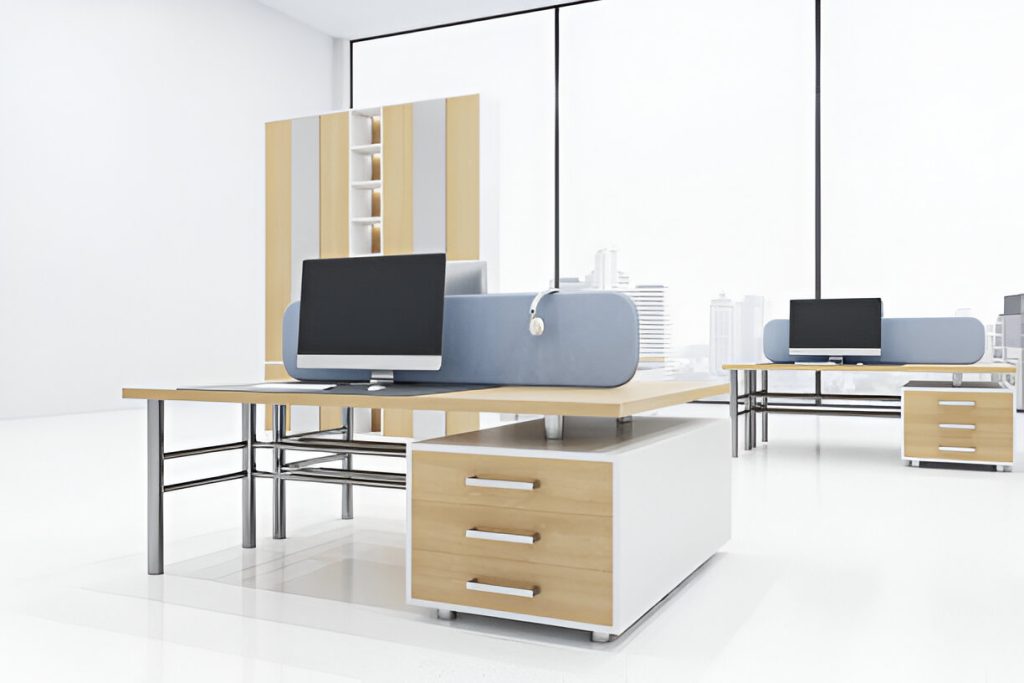
The world of office furniture design is changing quickly to meet the needs of hybrid work models. Future trends in office furniture are greatly influenced by advancements in technology integration and a growing emphasis on sustainability.
1. Technology Integration
As hybrid workspaces become more common, there’s a greater need for office furniture that seamlessly incorporates technology. Expect to see more pieces with built-in charging stations, wireless connectivity options, and flexible setups to support virtual meetings and collaborations.
2. Sustainability Considerations
Eco-friendly materials and sustainable manufacturing practices are gaining popularity. Companies are looking for furniture solutions that have a smaller impact on the environment, using recycled materials or those sourced from sustainable processes.
Investing in flexible solutions is crucial as workforce needs change. Modular furniture systems that can be easily rearranged or repurposed are becoming more popular. These versatile designs not only accommodate changing team sizes but also support different work styles—catering to both collaborative and individual tasks.
By incorporating these trends, organizations can stay adaptable and create an environment where both remote and in-office employees can thrive. As we move forward, selecting the right office furniture will be essential in creating a productive and sustainable hybrid workspace.
Conclusion: Creating an Effective Hybrid Working Environment with Thoughtful Office Furniture Choices from Avios Singapore
Selecting the right office furniture is crucial for crafting an effective hybrid working environment. Avios Singapore offers a diverse range of high-quality solutions tailored to meet the needs of hybrid work models. Explore their collection, including versatile metal cabinets and cupboards, designed to blend functionality with modern aesthetics. These pieces not only optimize space but also enhance the overall workspace efficiency.
- Office Metal Cabinets & Cupboards: Avios’ offerings include robust, stylish office metal cabinets that provide secure storage solutions essential for maintaining an organized workspace. For example, their Full Height Glass Sliding Door Cupboard offers elegant storage with a tempered glass display, allowing you to showcase products or easily view stored documents without opening the door.
- Specialized Furniture Solutions: Discover furniture specifically crafted for hybrid environments, ensuring both in-office and remote employees have the resources they need for success. This includes office chairs designed for comfort and productivity, as well as the Segi Series which features a Scandinavian design adapted for modern leadership.
For personalized assistance in choosing the right pieces for your office, visit Avios’ website or reach out to their team. Embrace the change towards a flexible work model by integrating thoughtfully designed furniture into your workspace.